

-
10 rear-end advantages every drag racer should know
-
NHRA Expertise: Inside Top Fuel beadlock wheels

-
NHRA Expertise: Torque wrench life hack for hard-to-reach bolts
-
NHRA Expertise: Build a custom transmission dipstick for any car using AN fittings

-
Show us what you’re working on!
-
-
Drag Racing Vs.COVID-19: Buffalo Turbine offers its track-drying technology for large-scale disinfection

-
Tech Specs: Inside the supercharged Ford Cobra Jet Mustang

-
Tech Specs: Inside the supercharged Chevrolet COPO Camaro

-
NHRA Expertise: Make AN hoses—the easy way

10 rear-end advantages every drag racer should know
From gear oil to axle shafts, your rear end isn't just a component — it's a competitive system.
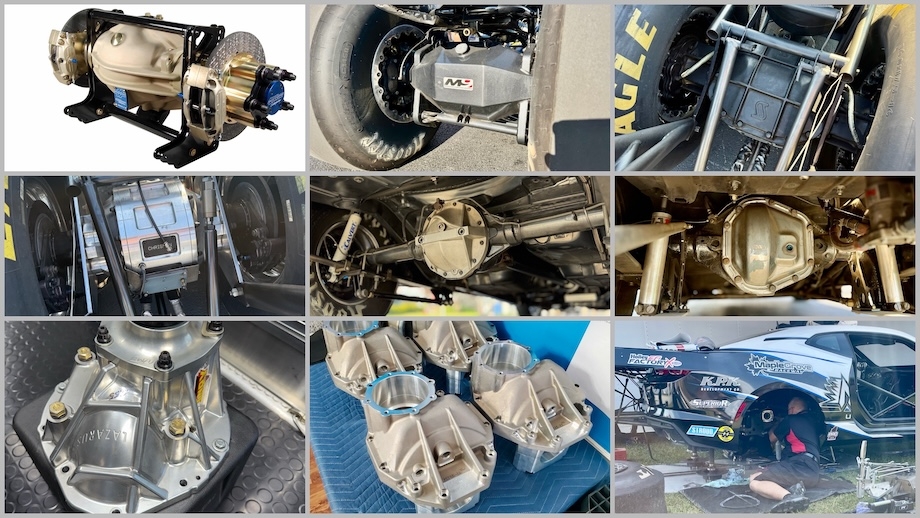
When it comes to drag racing, the path from horsepower to victory passes straight through your rear axle. You can make all the power in the world, but if your rear-end components can’t hold, transfer, and repeat it, your run won’t be…
NHRA Tech: Donnie Bender explains RacePak data acquisition
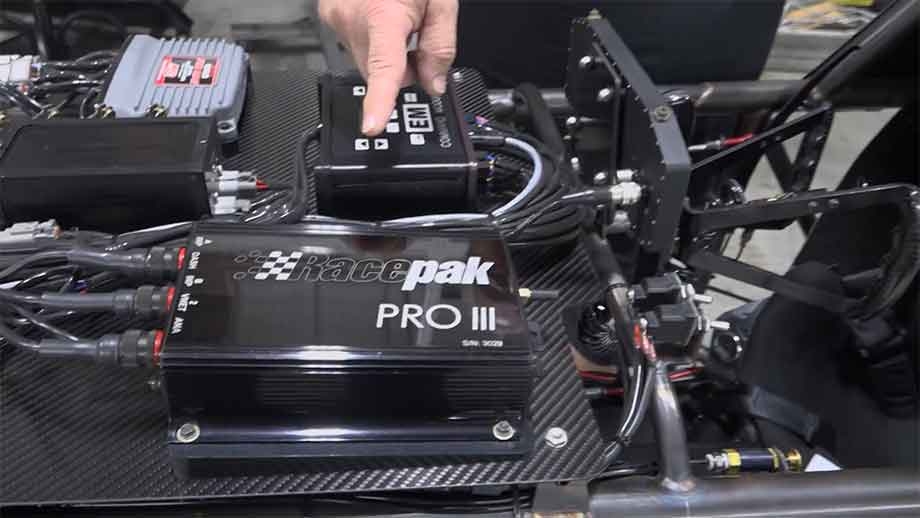
Veteran crew chief Donnie Bender explains how the RacePak computer is used for data acquisition and how that leads to quicker and more consistent runs.
Crew chief Donnie Bender explains the finer points of a nitro clutch
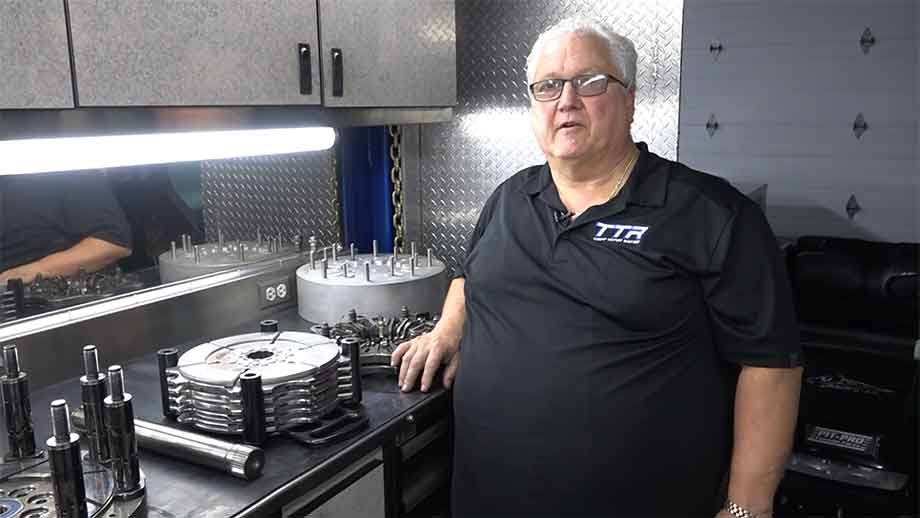
A nitro clutch seems like a complex piece of machinery but veteran crew chief Donnie Bender helps us get a better understanding of how NHRA racers harness 11,000 horsepower in this week's Tech Tip.
NHRA Tech: Donnie Bender explains the evolution of the nitro fuel system
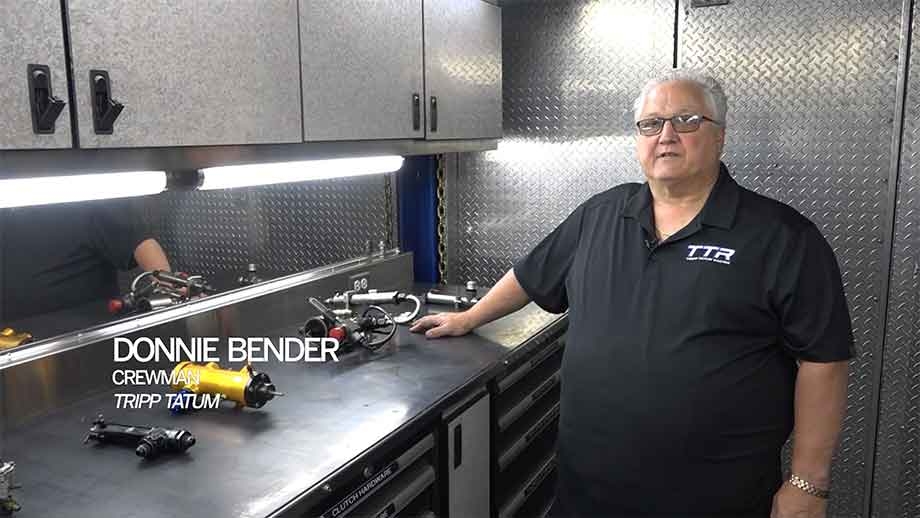
Longtime nitro tuner Donnie Bender recently took some time to explain the evolution of the fuel system used by NHRA's nitro team including the latest all-in-one valve.
Fuel System 101: The basics of how to keep your beast fed a healthy diet
Fueling your engine is one of the most critical processes in racing. From idle to wide-open throttle, the range of ideal fuel-delivery scenarios requires a fuel map that can cope with every possible running condition.
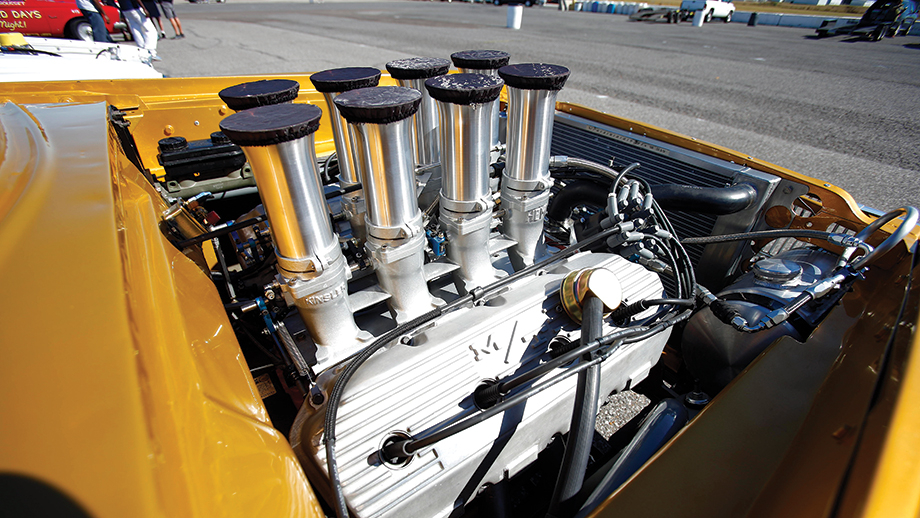
Fueling your engine is one of the most critical processes in racing. From idle to wide-open throttle, the range of ideal fuel-delivery scenarios requires a fuel map that can cope with every possible running condition. And for those who drive on the…
Prepare for success: Tips for getting ready to start your racing season
No matter your class of racing, winning comes from hard work, a little “racer luck,” and meticulous preparation. This story is about preparing to win.
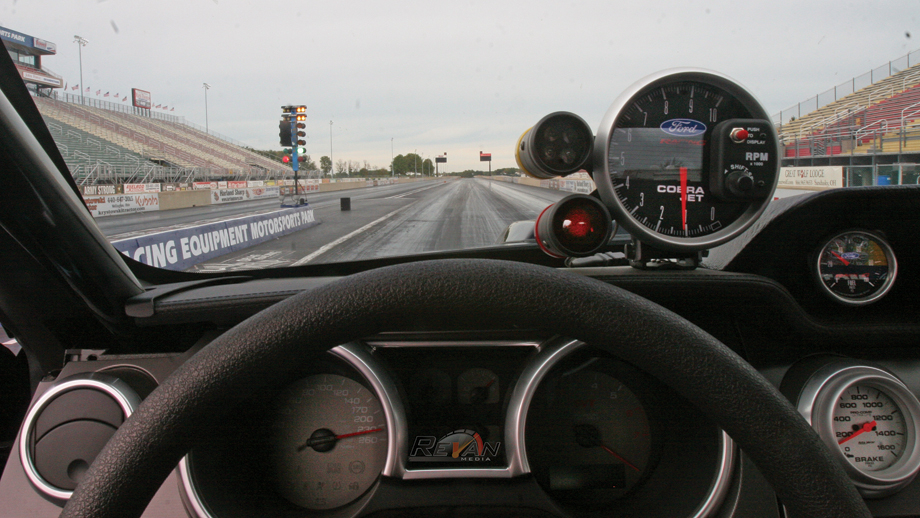
With every new racing season comes dreams of winning rounds and taking home Wallys. NHRA drag racers have contested for this coveted piece of hardware for decades across a variety of classes. Hoisting a Wally means you’ve been successful competing…
Racing Technology: Donnie Bender explains barrel valves and flow meters (part 2)
In the second installment of our Racing Technology series, veteran crew chief Donnie Bender provides an in-depth explanation of barrel valves and flow meters.
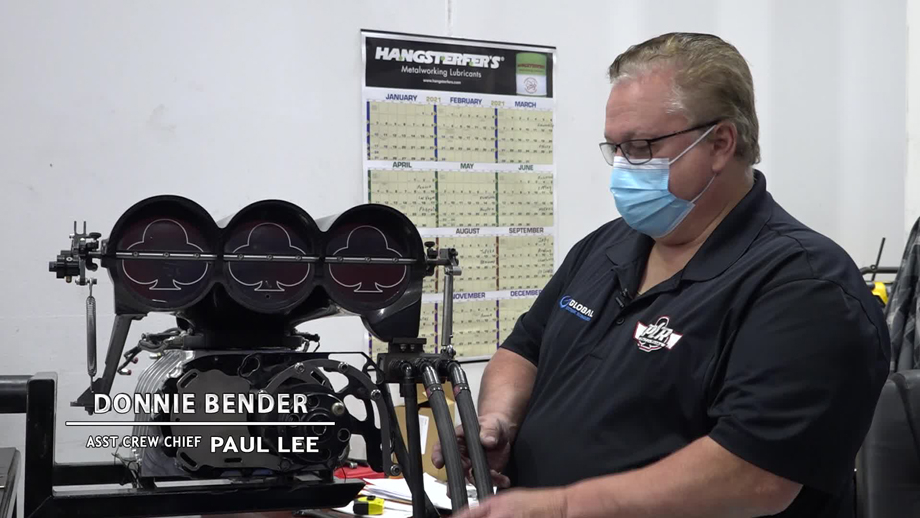
Racing Technology: Donnie Bender explains the inner workings of a nitro fuel system
In the first of a two-part Racing Technology series, crew chief Donnie Bender explains how a modern nitro engine can burn 18 gallons of fuel on a single pass down the dragstrip.
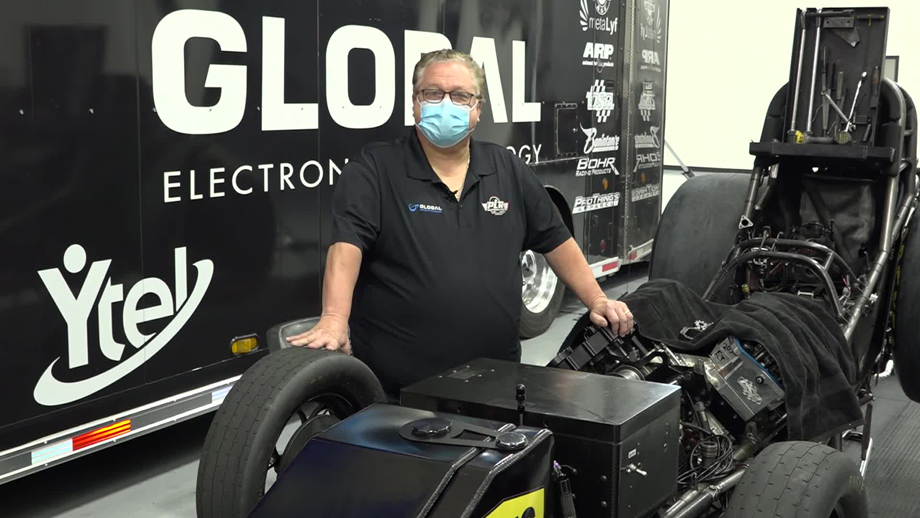
How the supercharger lubrication system helps nitro teams save parts
Donnie Bender, crew chief on Paul Lee's Global Electronic Technologies Funny Car, explains how the blower lubrication system saves teams parts and money.
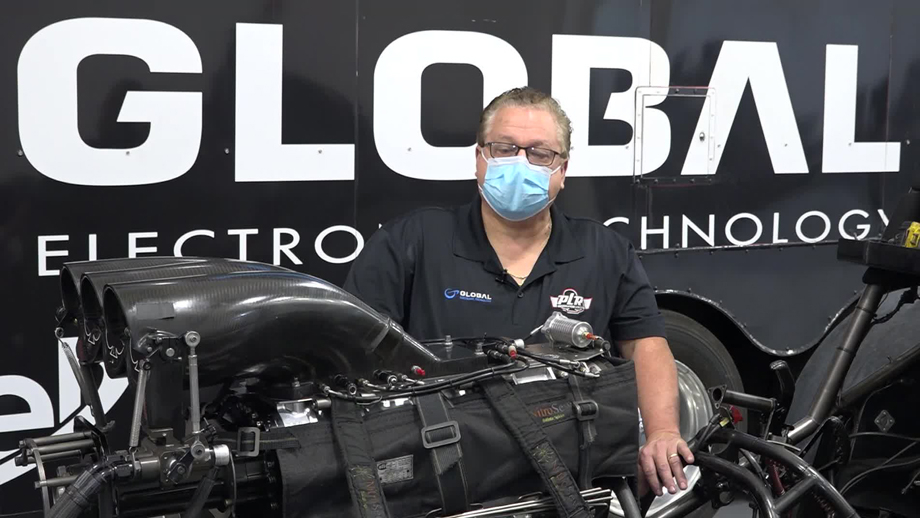
Reinhart Reveals: Alan Reinhart explains the inner workings of torque converters
Torque converter technology has come a long way in the last few years. Alan Reinhart explains how they work in this week's edition of Reinhart Reveals.
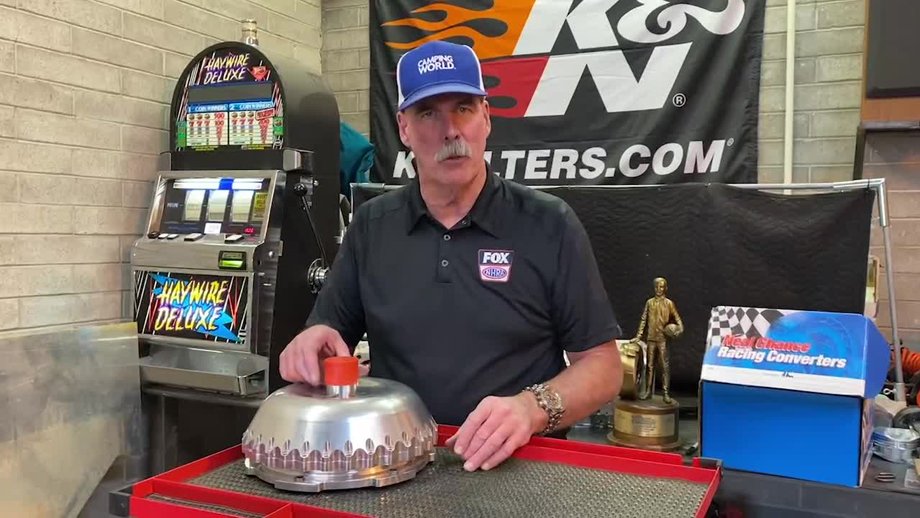
NHRA Expertise: The mechanical advantage leveraged in Pro Stock clutch tuning
NHRA on FOX's Bruno Massel (and a part-time Pro Stock racer himself) was in the pits at the 2020 Dodge NHRA Finals presented by Pennzoil with Elite Motorsports Rickie Jones talking Pro Stock car clutch setup.
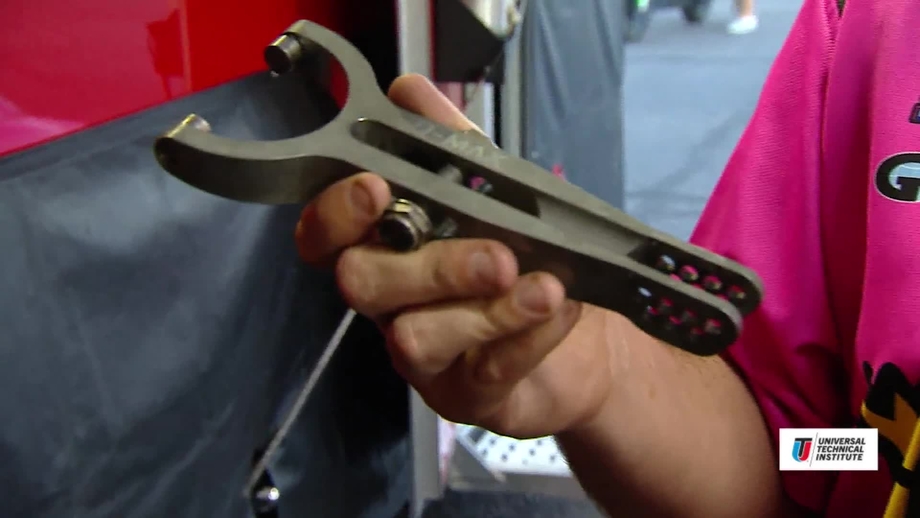
Bruno Massel In the world of Pro Stock, often the margin of victory comes down to thousands of a second. So a lot of pressure goes onto the driver and how fast they're able to react. But Crew Chief Rickie Jones came up with,…
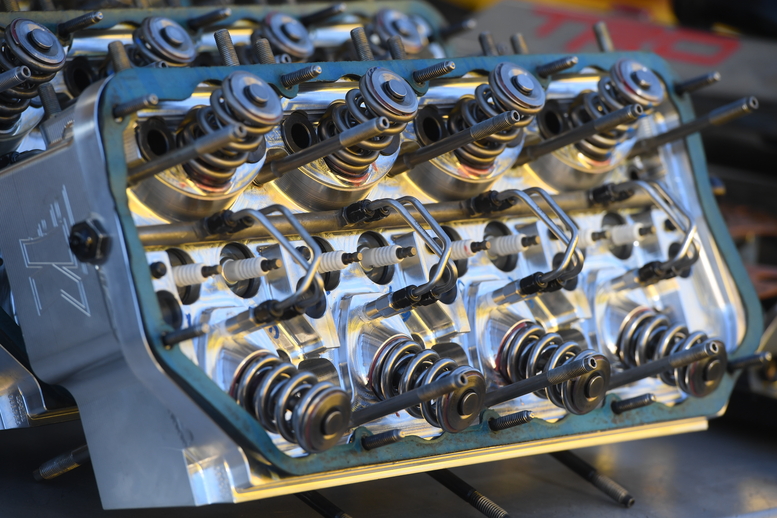
NHRA Expertise: The valvetrain secrets of a nitro-burning Hemi
The Hemi engines drag racers know and love get their name from the hemispherical (half of a sphere) combustion chamber that positions their valves 180 degrees from one another. Those monstrous valves are held in place by titanium retainers and steel keepers.
From the NHRA Rulebook
For Nitro Funny Car engines:
Only one cylinder-head design is acceptable: Intake valve angle of 35 degrees, + or - 1 degree Intake…
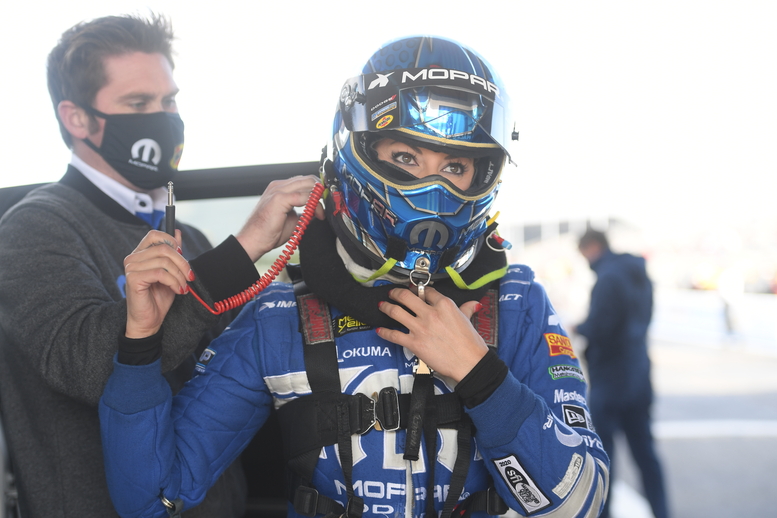
The modern drag racing helmet
Part safety, part personality: NHRA on FOX’s Tony Pedregon talks about the one product every racer installs before they strap into their drag car
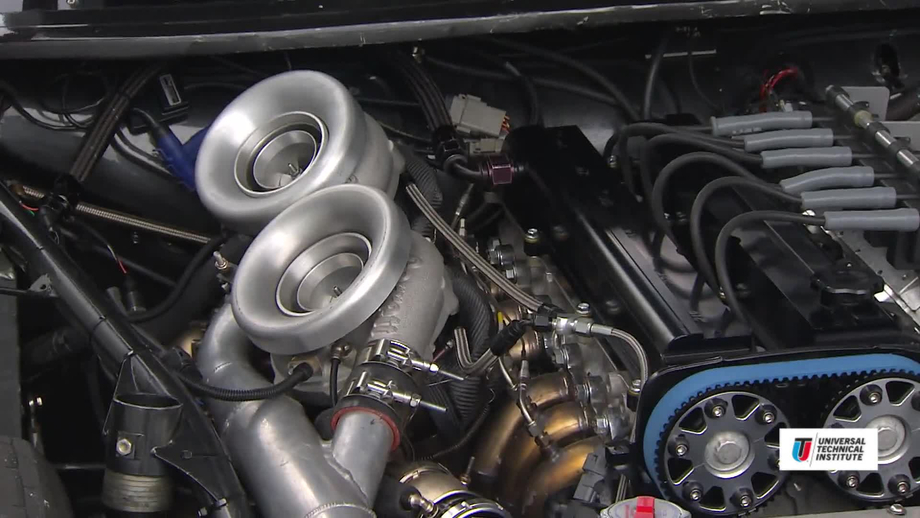
NHRA 101: Turbochargers in drag racing
In this UTI NHRA 101, Bruno Massel gives a walkaround of the twin-turbo’d 2JZ engine in his Comp eliminator car. Check out the pair of 58mm inducer (inlet) Garrett turbos breathing through an air-to-water intercooler
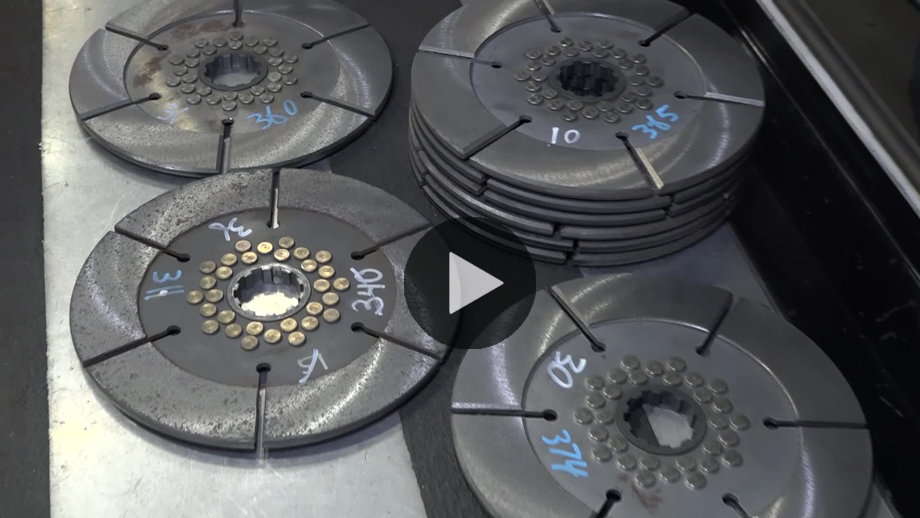
When it comes to nitro clutch discs, it's all about matching their personalities
Accoridng to Amalie Top Fuel crew chief Rob Wendland, all clutch discs have personality. "Some are just angrier than others. Others just want to go along for the ride. Too many angry guys and you have a mob and all they want to do is smoke the tires." Getting them to work together is key.
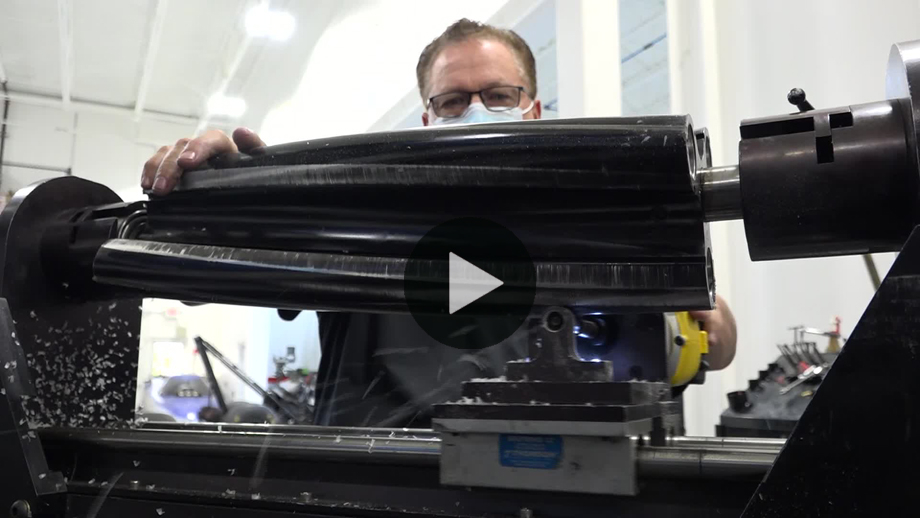
Rebuilding a nitro supercharger, Part 2
Superchargers produce the boost that allow today;s nitro-burning engines to produce 11,000 horsepower, but like every other part, they need servicing. Paul Lee Racin'g Donnie Bender walks us through the steps.
Rebuilding a nitro supercharger, Part 1
Superchargers produce the boost that allow today;s nitro-burning engines to produce 11,000 horsepower, but like every other part, they need servicing. Paul Lee Racin'g Donnie Bender walks us through the steps. First of two parts.
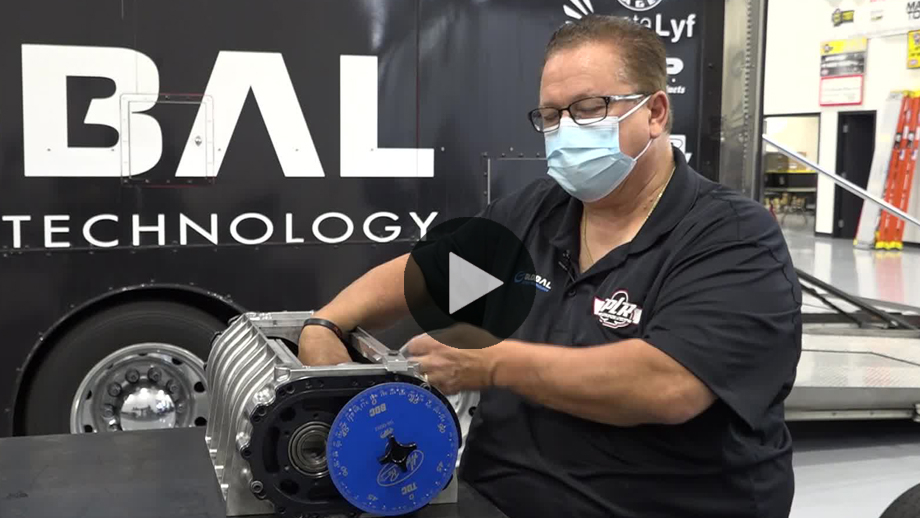
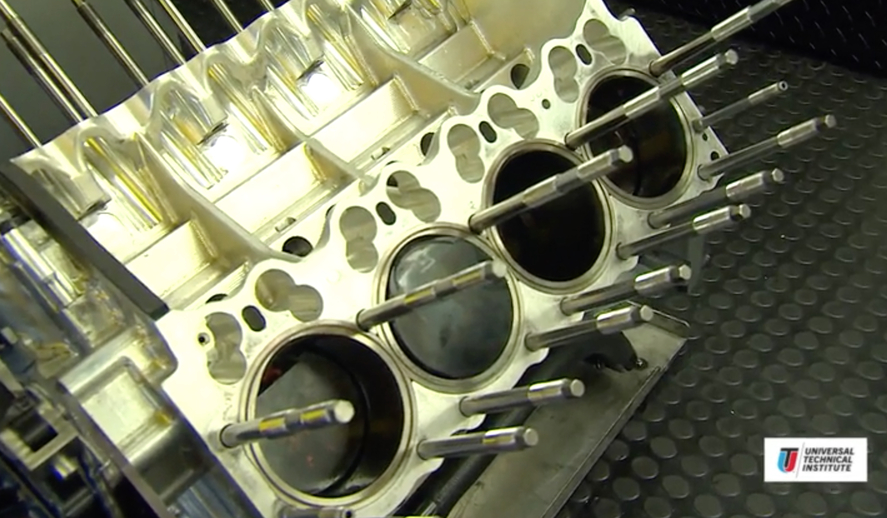
Tech Talk Tuesday: A close look at the iron cylinder liners in a nitromethane engine
The are eight torture chambers that contain the 11,000-horsepower in a nitromethane engine—each one is a ductile-iron liner slid into a single CNC-aluminum block. Check them out!
Weld Racing's drag racing wheels—explained
To learn more about modern racing wheels, we turned to Josh Hamming, Technical Sales Specialist—Drag Race & Street/Strip at Weld Racing.
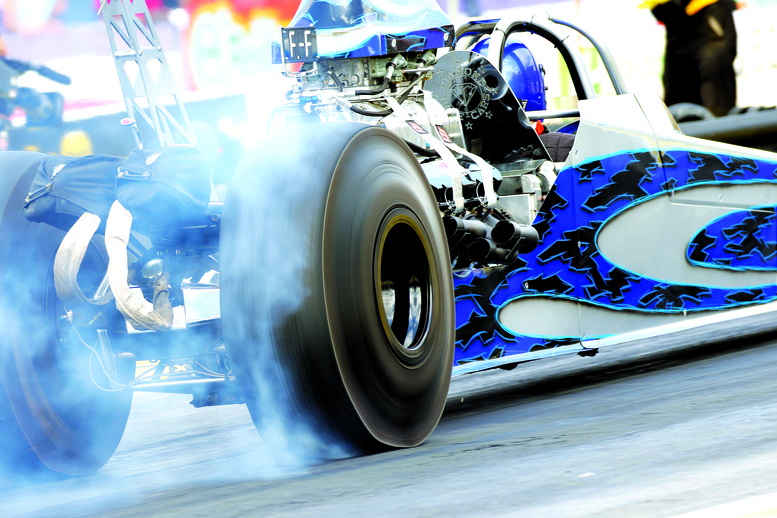
Drag racers are forever experimenting with ways to accelerate a vehicle from a standing start and cover the distance of the track in the most efficient manner. Over time, racers have asked many questions, created new theories, and ultimately found…
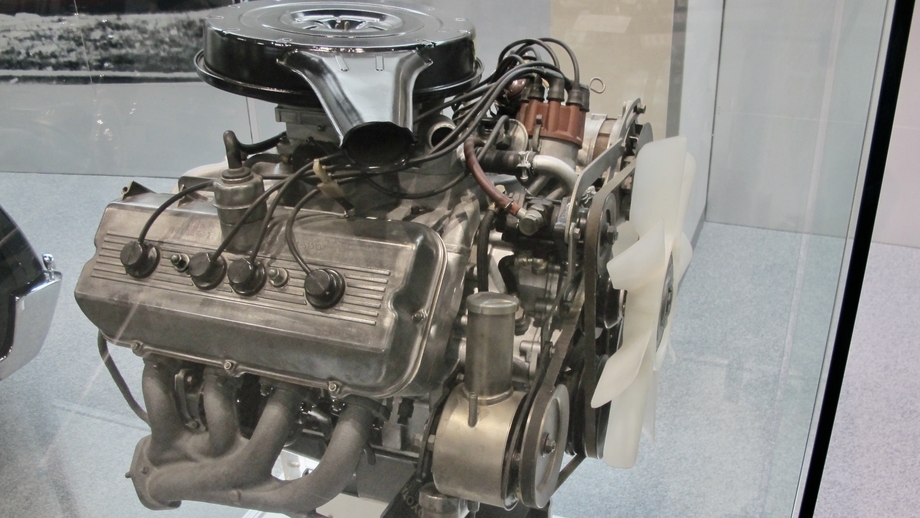
The Toyota “Hemi” you never knew about—until now!
In the 1960s, V-8 engines with hemispherical “Hemi” cylinder heads were the symbol of factory-engineered horsepower.
What is the Chevy DRCE Pro Stock engine?
Chevrolet’s Pro Stock race engine has been massaged into a 10,500-rpm, fuel-injected, 500-cid race mill that actually began life with the Oldsmobile brand.
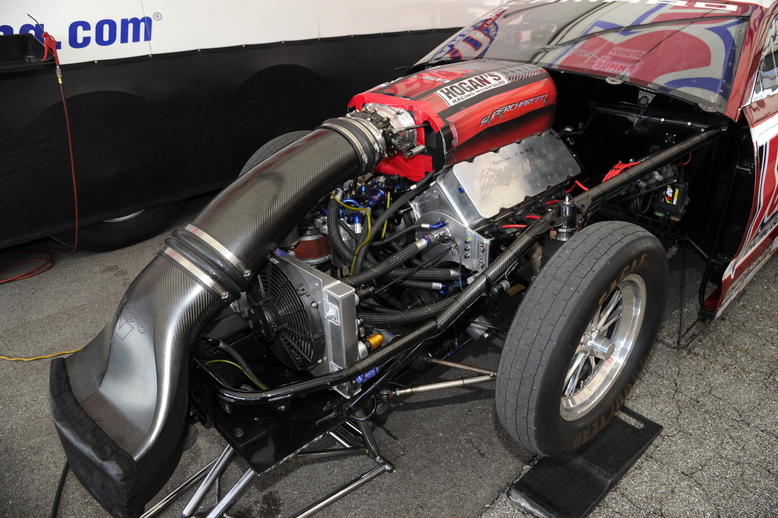
The Drag Race Competition Engine (DRCE) is a series of purpose-built drag racing cylinder heads and engine block castings that are based on the big-block Chevy, but originally branded as an Oldsmobile. There are four generations of DRCE aluminum…
NHRA Expertise: Inside Top Fuel beadlock wheels
A close-up look at the fastest wheels in all of racing
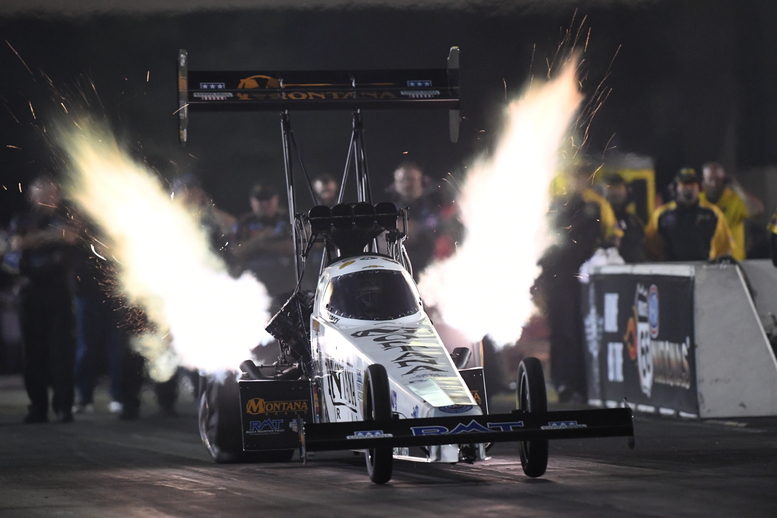
Brutality. It’s the only treatment components in a nitro-powered Top Fuel dragster or Funny Car experience. With tuners now extracting more than 11,000 hp from their 500-cid supercharged engines, every part beneath the decals on the valve covers is…
ProCharger to participate in NHRA Contingency program in Top Alcohol, Top Dragster, and Pro Mod in 2020
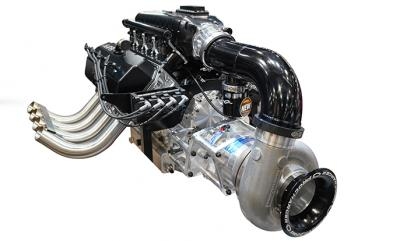
In addition to its sponsorship of the Pro Mod class at the 2020 NHRA U.S. Nationals in Indianapolis this year, ProCharger has stepped up and joined NHRA’s contingency program. Winners and runners-up in the Pro Mod class are now eligible for $500…
Pro Stock engine builder profile: Joey Grose
We're taking you inside the minds of the engine builders who create the most powerful naturally aspirated 500-cid race engines on earth
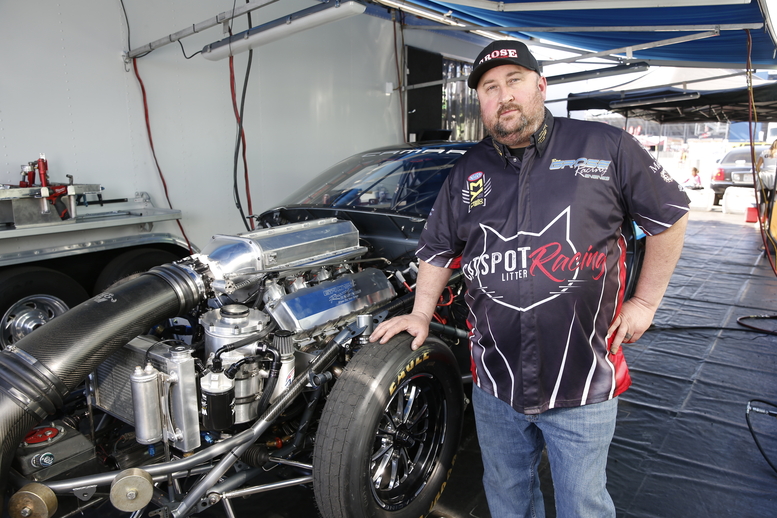
Pro Stock engine builders have a legendary reputation for dedication and persistence that goes beyond maniacal. Their work ethic and ability to bring concepts into reality has been something to behold in NHRA pits for more than 50 years. To…
Pro Stock engine builder profile: Frank Iaconio
We're taking you inside the minds of the engine builders who create the most powerful naturally aspirated 500-cid race engines on earth
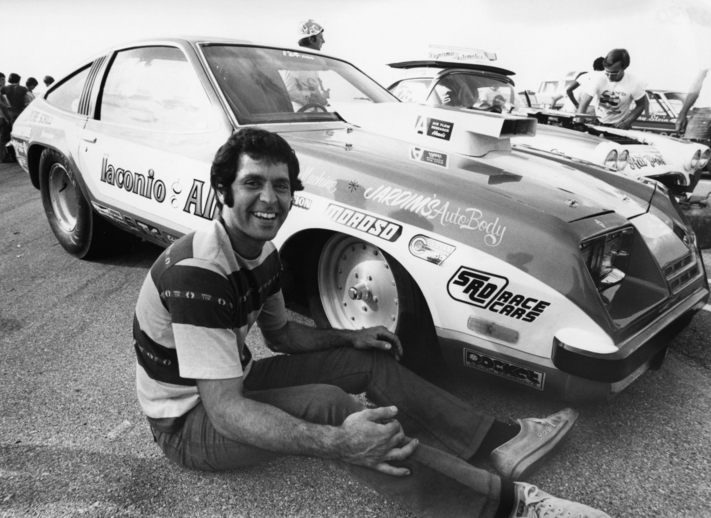
Pro Stock engine builders have a legendary reputation for dedication and persistence that goes beyond maniacal. Their work ethic and ability to bring concepts into reality has been something to behold in NHRA pits for more than 50 years.
To…
Pro Stock engine builder profile: Warren Johnson
We're taking you inside the minds of the engine builders who create the most powerful naturally aspirated 500-cid race engines on earth
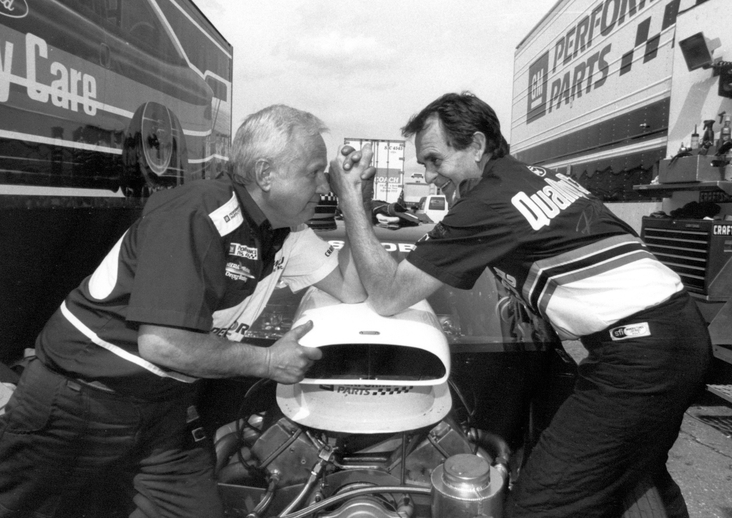
The top-secret technology of Pro Stock that has been hidden away like the Holy Grail for the last 50 years isn’t what you might think. It’s not an exotic piston or connecting rod. It’s not a featherweight valvetrain. It’s not even a billet…
Engine Wars! F1 vs IndyCar vs Pro Stock vs NASCAR vs Top Fuel
Ever wonder how NHRA drag racing engines stack up against the world? Spoiler alert: We overpower every other motorsport on earth!
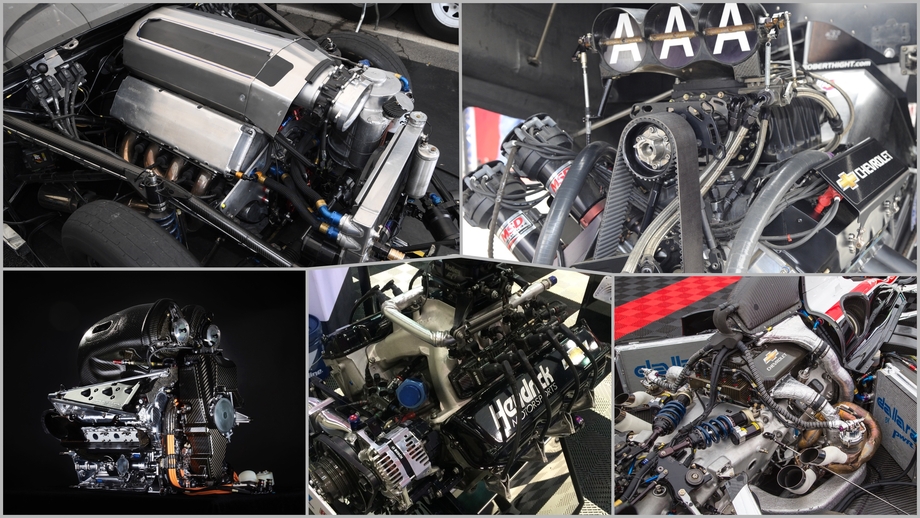
Racing engines have always been shrouded in secrecy because power promises the ultimate advantage. Drivers inherently want enough horses to break the tires lose everywhere on the track. Have too much power? Use less throttle. The motorsport with the…
Tech Specs: Inside Chevy’s NHRA Pro Stock engine—The 500-cid DRCE
Shrouded in secrecy, Chevrolet’s Pro Stock Drag Race Competition Engine (DRCE) evolved the big-block Chevy into a 1,400-hp, 10,000-rpm, naturally aspirated motorsport weapon one race weekend at a time.
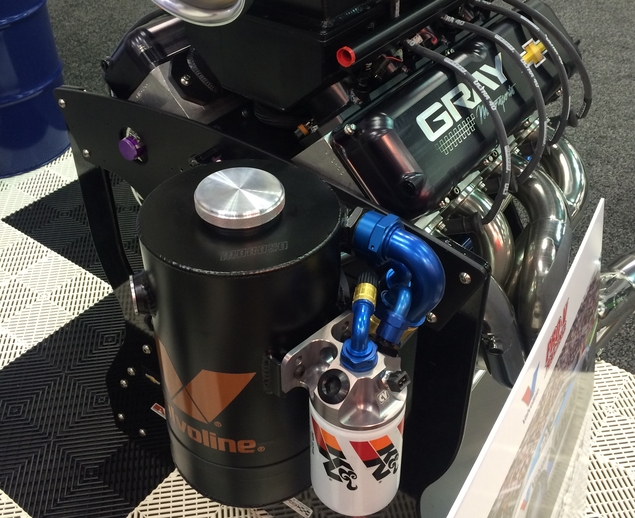
NHRA Expertise: Torque wrench life hack for hard-to-reach bolts
Can’t fit a torque wrench between your engine’s oil pan and flexplate? Use a box-end wrench to extend the reach of your torque wrench.
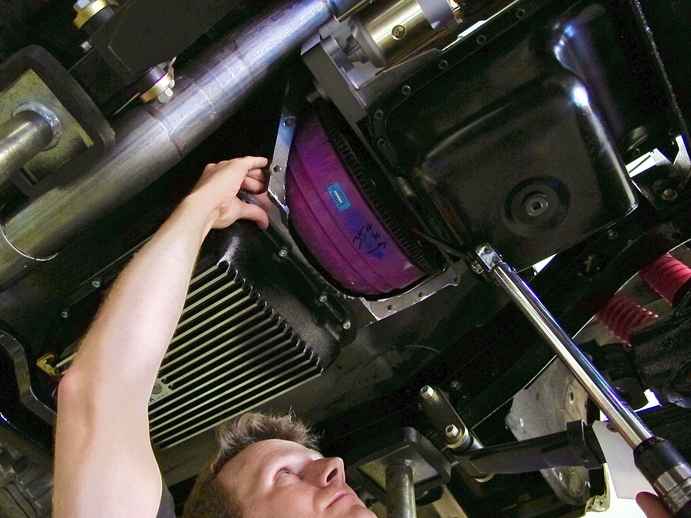
Here’s what you need:
3/8-inch drive torque wrench
12-point combination wrench with ½-inch wrench on one side and 7/16-inch wrench on the other
This formula: M1 = M2 x L1 / L2
This…
NHRA Expertise: Build a custom transmission dipstick for any car using AN fittings
Another use for AN fittings that you'll kick yourself for not thinking of sooner.
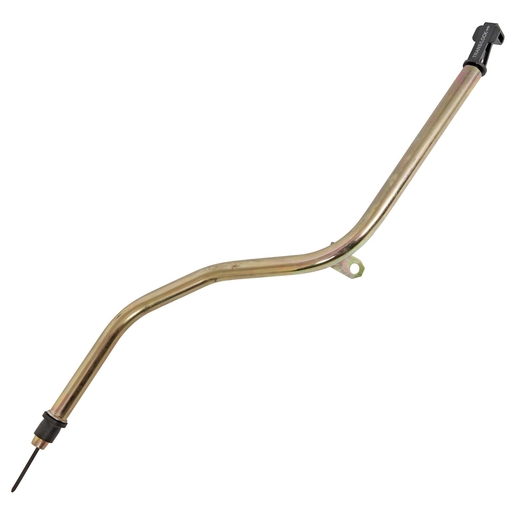
Transmission dipsticks are one of the hassles of race cars. In factory applications their steel tubes snake up past the drivetrain and firewall to put the dipstick right where you need it. But in a one-off combination? Forget it. About the only…