

-
Behind the Scenes with the winners of the 2026 Mopar NHRA Las Vegas Nationals
-
Gadson, Herrera will decide Pro Stock Motorcycle title in Pomona doubleheader
-
Weekend Rewind: 2026 Mopar NHRA Las Vegas Nationals powered by Dodge
-
Five Things We Learned in Las Vegas
-
What, me worry? Hartford, Herrera taking championship drama in stride
-
-
One dominator to another: Torrence on 2018 Countdown sweep, Langdon streak
-
Title hopes apparent for Matt Hagan at Mopar NHRA Las Vegas Nationals
-
Points leader Dallas Glenn eyes another Vegas win, world title
-
Behind the Scenes with the winners of the 2026 Texas NHRA FallNationals
-
Weekend Rewind: 2026 Texas NHRA FallNationals
-
Five Things We Learned at the Texas NHRA FallNationals
-
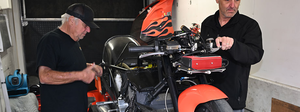
After fourteen years, GT Tonglet returns to Pro Stock Motorcycle
-
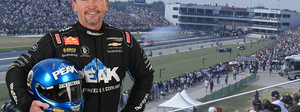
Forty years later, Beckman has gone from fan to leading the Funny Car field in Dallas
-
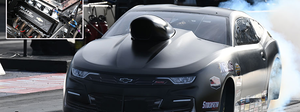
First look at 2027 Pro Stock combination in Dallas exhibition passes
-
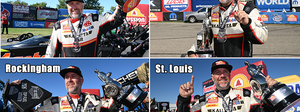
Langdon riding a four-race, 16-round win streak into Countdown's second half
- ad
-
Gaige Herrera eyes Pro Stock Motorcycle championship opportunity in Dallas
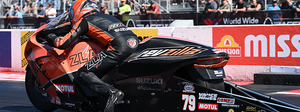
-
Funny Car’s Austin Prock thinking big for Texas-sized shootout
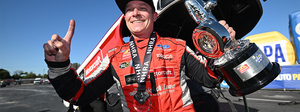
-
Top Fuel rookie Will Smith looks for dream weekend in Dallas
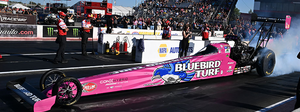
-
Plourd ready to complete bucket-list challenge with Las Vegas Top Fuel debut
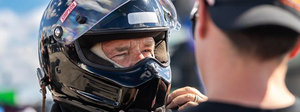
-
From Dearborn to the dragstrip: Ford Racing's story began 125 years ago today
-
Behind the Scenes with the winners of the 2026 NAPA Auto Parts Midwest Nationals
-
Weekend Rewind: 2026 NAPA Auto Parts NHRA Midwest Nationals
-
Saturday in St. Louis: NAPA Auto Parts NHRA Midwest Nationals photo gallery
-
Could St. Louis bring out the best in Erica Enders once again?
-
Cameron Ferre: Still chasing Top Fuel greatness, just on his own terms
- ad
-
Ron Capps thinking big at NAPA Auto Parts NHRA Midwest Nationals
-
Top Fuel’s Shawn Langdon looking for fourth straight win of 2026
-
Behind the Scenes with the winners of the 2026 NHRA Nationals at The Rock
-
Weekend Rewind: The inaugural NHRA Nationals at the Rock
-
Five Things We Learned in Rockingham
When Seconds Count: Coming together to support local first responders
Photos courtesy of Stacee Richards
At Toronto Motorsports Park, preparing for the unexpected is part of the racing experience. But on a rainy September evening, the focus wasn't on winning rounds or reaching the finish line. It was on making sure the men and women who respond when something goes wrong have the knowledge and tools to help save lives.
That was the mission behind When Seconds Count — Race Car Emergency Extrication, a hands-on training event held Sept. 3 that brought together local firefighters, law enforcement, NHRA personnel, and motorsports safety specialists for an evening of education, collaboration, and community involvement.
Organized by NHRA's Glenn Grow, who oversees racing operations in northeastern Canada, longtime drag racing supporter Bruce Mehlenbacher, and Toronto Motorsports Park Track Manager Neale Armstrong, the event offered local emergency responders an opportunity to learn more about the unique challenges of responding to incidents involving race cars.
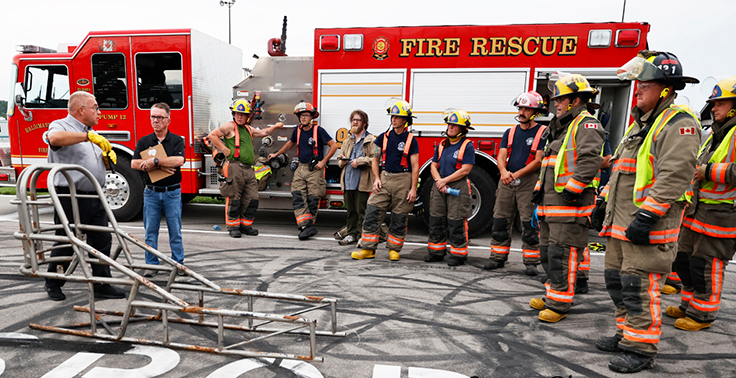
Firefighters from Haldimand County Fire Services' Station 12 in Fisherville and Station 4 in Cayuga participated alongside representatives from the Ontario Provincial Police, Canadian Motorsports Response Team, M&L Supply Fire & Safety, and AMKUS Rescue Systems.
Despite rain throughout much of the evening, the event drew a strong turnout, providing firefighters, racers, and members of the surrounding community a firsthand look at the challenges of emergency response.
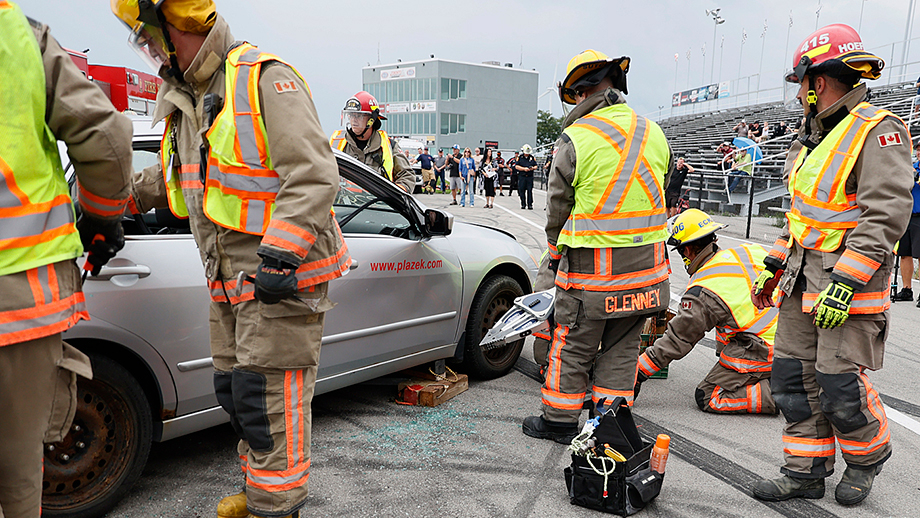
The evening began with firefighters practicing extrication techniques on conventional passenger vehicles, using hydraulic rescue equipment to remove sections of the vehicles and improve access to simulated accident victims.
The training then shifted to a race car chassis, where Grow shared his motorsports safety experience and walked firefighters through the specialized construction and safety systems found in competition vehicles.
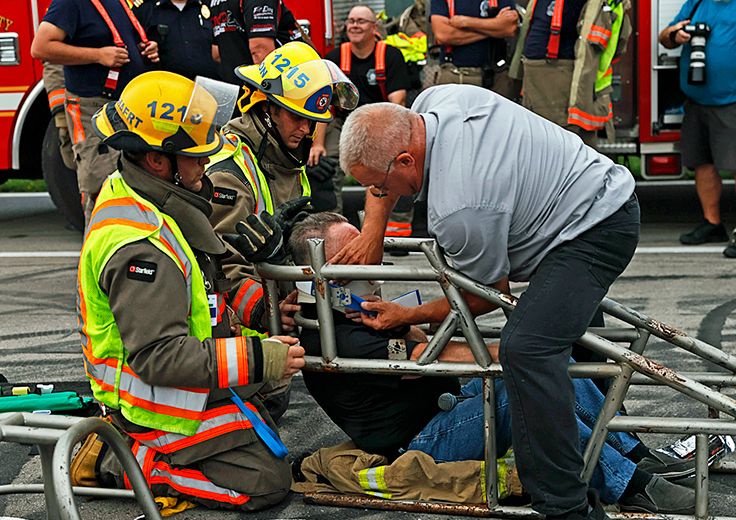
While roll cages, racing harnesses, window nets, and head-and-neck restraints are designed to protect drivers, those same components can present additional challenges for rescuers attempting to reach an injured racer.
Grow demonstrated how different chassis materials react to rescue equipment, explained considerations when cutting through a race car's structure, and discussed procedures for safely removing a driver's helmet while protecting the head and neck.
But the education wasn't limited to the firefighters. For many of the racers watching, the demonstration provided a new appreciation for the work emergency responders perform when an accident occurs.
"The biggest comments we got were from racers, who didn't realize how much was involved in extraction after an accident," Grow said. "One fire company did a simulated wreck and extraction, and it was good for the racers and community members there to see the fire department at work and understand how much thought and precision goes into these moments. It's not just 'rip the doors off, or the cage off a racecar, and pull them out.'"
For firefighters accustomed to working on passenger vehicles, the opportunity to learn directly from someone with motorsports-specific experience provided a different perspective on their already demanding responsibilities.
That value wasn't lost on Jodie Mehlenbacher, a firefighter with Station 12 Fisherville and the daughter of event organizer Bruce Mehlenbacher.
Following the demonstration, she shared her thoughts with her father.
"Dad, we cut up cars all the time, but the information Mr. Grow taught us was very beneficial," she said. "We get called to the track on a fairly regular basis, and that information could be very useful."
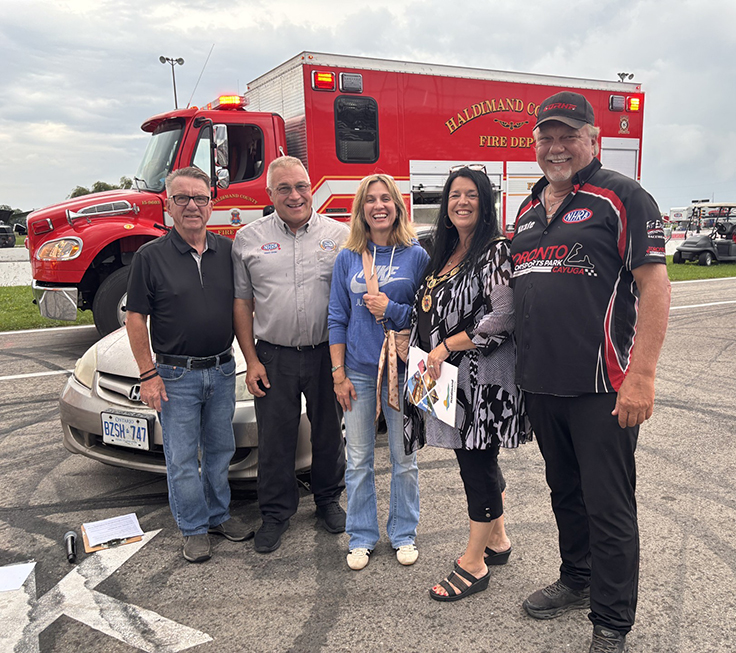
For Bruce, those words summarized exactly what organizers had hoped to accomplish.
The event also carried special meaning for the Mehlenbacher family. Bruce's grandson, Lucas Ecker, a member of Station 4 Cayuga, participated alongside Jodie, bringing three generations of the family together through their shared connections to public safety and motorsports.
"Having three generations of our family involved in an event centered on public safety, community service and supporting our first responders makes this particularly meaningful to me," Bruce said.
That sense of community extended well beyond the Mehlenbacher family.
Armstrong, a lifelong Haldimand County resident, viewed the event as an opportunity for the racetrack to support the emergency personnel who serve the surrounding communities.
"As a lifelong resident of Haldimand County, I've always been proud of our volunteer fire departments and the people who serve in them," Armstrong said. "I know many of these firefighters personally, and I've seen the dedication and commitment they bring to protecting our communities."
The training was made possible through the support of several organizations with connections to motorsports safety and local emergency response.
Dave Connors of M&L Supply Fire & Safety, representing AMKUS Rescue Systems, provided technical knowledge and rescue-equipment expertise. AMKUS, the Official Rescue Tool of NHRA, also supplies specialized rescue equipment used by the NHRA Safety Safari.
Additional support came from Plazek Auto Recyclers, Ray's Towing, NC ProModer, and Toronto Motorsports Park, illustrating how businesses and organizations throughout the racing community can contribute to an initiative with benefits extending beyond the racetrack.
Haldimand County Mayor Shelley Ann Bentley and Haldimand–Norfolk Member of Provincial Parliament Bobbi Ann Brady also attended, observing the training and joining firefighters during portions of the demonstration.
For local emergency responders, the event offered practical knowledge they could carry into future calls.
District Fire Chief Ryan Lawrence of Station 12 Fisherville expressed his appreciation for the training and indicated that he planned to discuss involving paramedics in future demonstrations, according to Mehlenbacher.
Held ahead of Toronto Motorsports Park's Labour Day Weekend Spectacular and NHRA National Open double-header, the event highlighted an important relationship that can sometimes go unnoticed in motorsports: the connection between a racing facility and the first responders who protect its surrounding community.
While NHRA's Safety Safari and professional emergency-response teams are familiar sights at major drag racing events, local firefighters and emergency personnel also play an important role in motorsports safety at facilities across North America.
Sharing knowledge, developing relationships, and becoming familiar with specialized racing equipment before an emergency occurs can make those partnerships even stronger.
For Mehlenbacher, who has spent many years involved in drag racing and supporting NHRA initiatives, the success of When Seconds Count demonstrated the potential for similar collaborations at other racing facilities.
And according to Grow, additional events are already being planned for 2027, offering more opportunities to bring motorsports professionals, racers, and local emergency responders together.
While organizers hope the firefighters will never need to put their newly acquired knowledge to use during a serious racing accident, the value of being prepared was evident throughout the evening.
It was a reminder that the racing community's commitment to safety isn't limited to the drivers who strap into race cars or the teams who compete on the track. It extends to the people who stand ready to help when something goes wrong.
And when seconds count, that preparation can make all the difference.