

-
First look at 2027 Pro Stock combination in Dallas exhibition passes
-
Langdon riding a four-race, 16-round win streak into Countdown's second half
-
Gaige Herrera eyes Pro Stock Motorcycle championship opportunity in Dallas
-
Funny Car’s Austin Prock thinking big for Texas-sized shootout
-
Top Fuel rookie Will Smith looks for dream weekend in Dallas
-
-
Plourd ready to complete bucket-list challenge with Las Vegas Top Fuel debut
-
From Dearborn to the dragstrip: Ford Racing's story began 125 years ago today
-
Behind the Scenes with the winners of the 2026 NAPA Auto Parts Midwest Nationals
-
Weekend Rewind: 2026 NAPA Auto Parts NHRA Midwest Nationals
-
Saturday in St. Louis: NAPA Auto Parts NHRA Midwest Nationals photo gallery
-
Could St. Louis bring out the best in Erica Enders once again?
-
Cameron Ferre: Still chasing Top Fuel greatness, just on his own terms
-
Ron Capps thinking big at NAPA Auto Parts NHRA Midwest Nationals
-
Top Fuel’s Shawn Langdon looking for fourth straight win of 2026
-
Behind the Scenes with the winners of the 2026 NHRA Nationals at The Rock
- ad
-
Weekend Rewind: The inaugural NHRA Nationals at the Rock
-
Five Things We Learned in Rockingham
-
New venues like Rockingham bring excitement for old pro Ron Capps
-
That was then, this is now: The Winston Invitational at Rockingham
-
After a near-miss in Michigan, Ingwersen and crew are more inspired than ever
-
Jordan Vandergriff relishes first opportunity to race at Rockingham Dragway
-
Behind the Scenes with the winners of the 2026 Dodge NHRA Great Lakes Nationals
-
Weekend Rewind: 2026 Dodge NHRA Great Lakes Nationals
-
Five things we learned from the Dodge NHRA Great Lakes Nationals presented by Mopar
-
Vandergriff and crew took aim at No. 1 in challenging Michigan conditions
- ad
-
Friday Photo Gallery- NHRA makes a monumental return to Michigan
-
Inaugural Dodge and NHRA Tour de Michigan launches historic race weekend
-
Reigning world champ Dallas Glenn gears up for first Countdown race
-
Stewart, Hagan, Pruett reveal new Dodge Charger Super Bee Purple Haze liveries
-
Behind the Scenes with the winners of the 2026 Cornwell Tools NHRA U.S. Nationals
New venues like Rockingham bring excitement for old pro Ron Capps
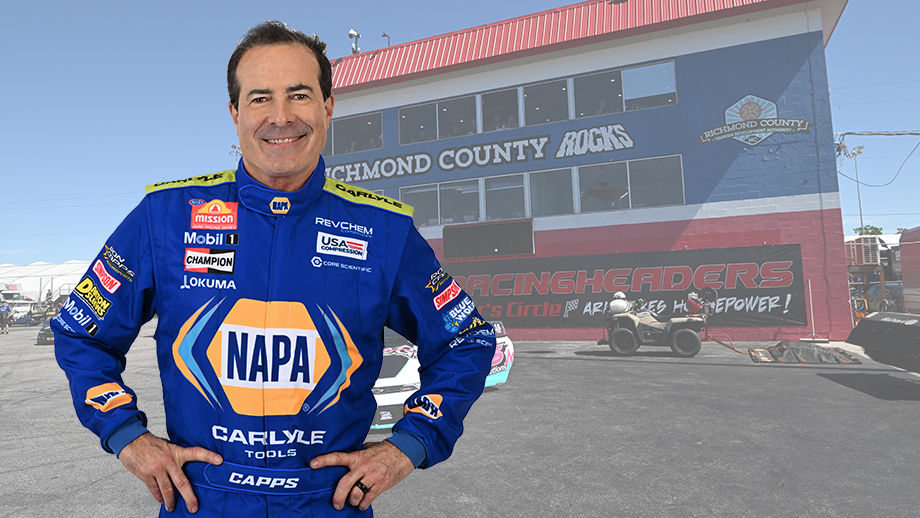
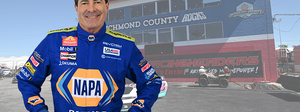
Rockingham Dragway is the fourth and final new facility to join the NHRA Mission Foods Drag Racing Series national event schedule this season, returning to NHRA’s big stage for the first time since the non-points Winston Invitation ended in 1998, and while there’s plenty for the teams to learn in their first trip to any new track, current Funny Car qualifying leader Ron Capps is loving the idea of new venues.
After South Georgia Dragway in Valdosta, Ga., and Maryland International Raceway in Budds Creek, Md., in the spring, the countdown to the Championship opened last weekend at U.S. 131 Motorsports Park in Martin, Mich., and then on to Rockingham. Every track is different, but the pit-area layout at Rockingham has the Professional teams more spread out than any other venue, giving the event a different feel, in a down-home kind of way.
Capps has been on the national event tour for more than 30 years, so he's seen more than his fair share of evolutions over the years, both in schedule size and venue choice, and he's loving the direction NHRA is going.
“I don't think even five years ago, NHRA would have considered these smaller venues, and I think Glen [Cromwell, NHRA President] and NHRA really pivoted, which I'm glad they did,” Capps said. “We need to go to some of these places. I had been to US 131 before when it was an IHRA event, and I looked around like, ‘Oh my God, this place is as good as anywhere we go.’ There have been these tracks that have had the sanctioning and warranted us coming there.
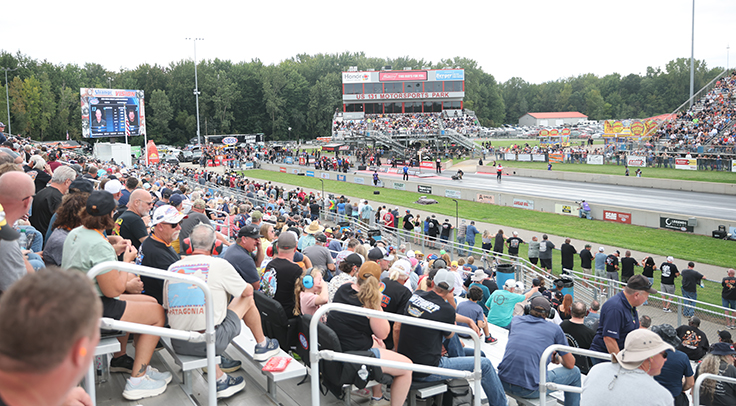
"I don't think five years ago, 10 years ago for sure, NHRA would have ever come back with this pit area or, when you look at South Georgia, actually pulled it off, or even thought about pulling it off because they would have got some crap from the racers.
“And now, I think all the racers are all-in, and they're like, we don't care. Greg Anderson, they're over. Some of the Pro Stock guys are in the grass, but they want to be here. It’s not the most optimal thing for all of us, but I don't hear any complaining. Everybody's like, ‘Hey, it's cool to be here,’ and so the reward was that many of our partners and sponsor people came today who probably would not have gone to, let’s say, Charlotte on Friday. This event had a buzz about it, and so many of them showed up [Friday] and they drove hours to get here, so my point is, it's really stirred up a lot of buzz.
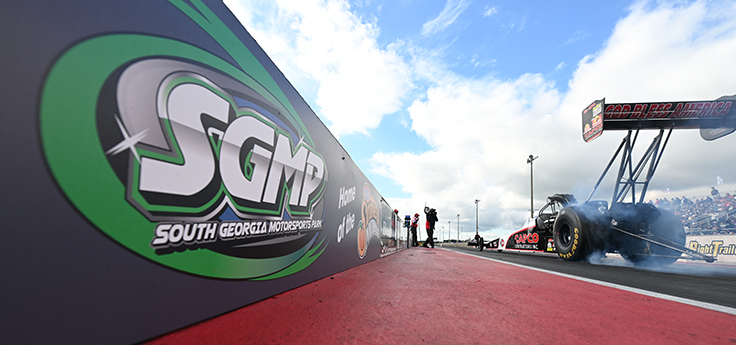
“If you had looked at South Georgia before the event, you might think, ‘How are you going to get cars in here and parked?’ But they limited the Sportsman, they made it more of a nitro show. They did all the right stuff. Ten years ago, NHRA used to not move [qualifying] sessions because of weather, and we used to sit with the best weather stations and go, ‘Are you, are you not seeing what we're all seeing?’ And now they’re ahead of the game and doing stuff they used to not do. So it's great. I love what they're doing.”
Still, the attraction of a new market for sponsors and a new experience for fans is balanced against coming to a track where most of the teams don’t have any tuning data to rely on, but they’ve taken it all in stride.
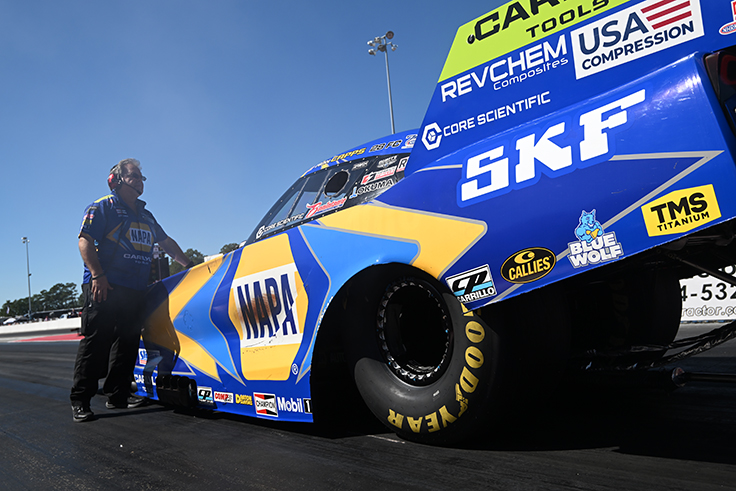
All of the top teams employ a track specialist, sometimes a shared expense between teams, and Capps and his crew chief, Dean “Guido” Antonelli, also have a wheeled device that can roam the track ahead of time and pinpoint dips, bumps, and other irregularities to give them a basic idea of how and when to apply the clutch. After that, it’s just good old learning on the job.
“Once you make a run of each lane, they can judge where the problems are,” said Capps. “We’ve got the ability to measure the ride height so we can see where the track dips and then comes together, and it's something we used to never have before. It’s a great tool we got from Toyota. A lot of teams have it, but very useful for Friday's first run and maybe the second in the other lane.
We assume NHRA is going to spray the same, and if we find out the spray wasn't exactly the same, NHRA tells the crew chiefs, and they go up and check it out. You can guess 85% of the good cars are going to go down and run pretty much what you think they'll run. You have to second-guess some of the prep sometimes, but, other than that, it's been great. It's been consistent.
“Friday here was a perfect example of what’s going on. Overnight, NHRA fixed about 200 feet of the track where the rubber just wasn't sticking to the track. We knew there was going to be an issue because the rain was coming Thursday night. Everybody knew it. All of our computer models showed that it was going to rain Thursday.
“We knew that Monday when we finished in Michigan, and we had a meeting with NHRA because they had to get the track prep stuff on its way because we had one day less, because when it rains, it gets underneath and it bubbles the rubber. No matter how good the rubber is, it will still ruin it. So you can't get away from not scraping that completely up and then start [Friday] from scratch. All things considered, it’s unbelievable how good both lanes were, and if that work wasn't done, it would have been a big-time problem, so kudos to them. All of the great runs we made [Friday] were because of that hard work.”