

-
First look at 2027 Pro Stock combination in Dallas exhibition passes
-
A galaxy of NHRA superstars shined at annual FallNationals Pre-Stage FanFest
-
JEGS Allstars feted at pre-event breakfast at Texas NHRA FallNationals
-
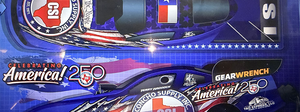
Funny Car’s Terry Haddock looking to make an impact in Countdown
-
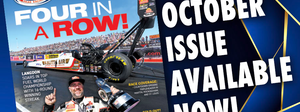
October issue of National Dragster packed with championship points action
-
-
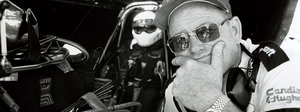
Legendary world championship-winning nitro tuner Leonard Hughes passes away
-
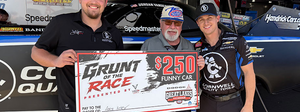
VizionOne's Grunt of the Race program awards NHRA nitro crewmembers
-
Texas FallNationals Fan Fest will deliver a galaxy of NHRA stars
-
NHRA Countdown to the Championship hits halfway point in dramatic fashion
-
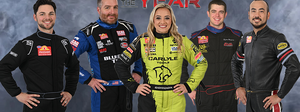
2026 NHRA Rookie of the Year candidates announced
-
Teams of Langdon, Beckman, Anderson, Angie Smith lead Crew of the Year battle
-
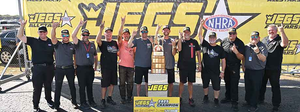
JEGS Allstars preview: A closer look at each of the contenders in each class
-
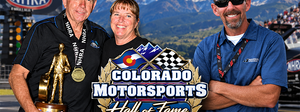
Bandimere, Whiteleys to be inducted into Colorado Motorsports Hall of Fame
-
Drag Racing Association of Women opens applications for new board members
-
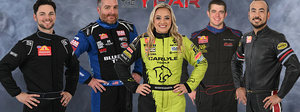
Rating the challengers for the 2026 NHRA Rookie of the Year award
- ad
-
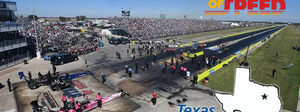
Stampede of Speed brings Texas-sized showdown to Texas Motorplex
-
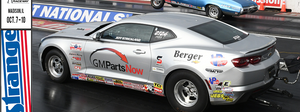
Watch the Division 3 Lucas Oil Series race from St. Louis for free on NHRA.tv
-
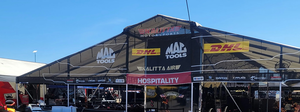
How Kalitta Motorsports elevates its hospitality experience with Deecell
-
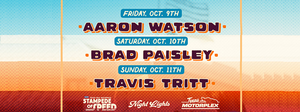
Blockbuster stars set for Stampede of Speed Texas Music Festival
-
Unofficial Mission Foods points standings
-
The faces of prerace: See the Sunday intensity building at the Napa Auto Parts NHRA Midwest Nationals
-
World Wide Technology Raceway sells out for sixth consecutive Saturday
-
15th annual NAPA Auto Parts NHRA Midwest Nationals Friday preview
-
Kelly Clontz welcomes back partner ArchKey at NHRA Midwest Nationals
-
Scag Racing goes pink at NHRA Midwest Nationals for Breast Cancer Awareness
- ad
-
NHRA announces new media rights agreements with FOX Sports, The CW Network, and FloSports
-
Funny Car legend Jim Dunn to be inducted into West Coast Motorsports Hall of Fame
-
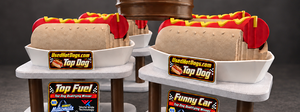
“Top Dog” competition highlights Friday night qualifying in St. Louis
-
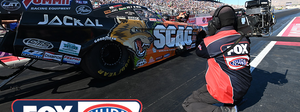
NAPA Auto Parts NHRA Midwest Nationals set for football-adjacent FOX broadcast
-
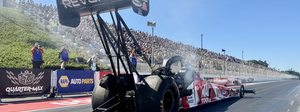
Sellout crowd at debut NHRA Nationals at The Rock
Detroit lights the fuse ahead of NHRA’s 75th season
The launch of the NHRA’s 2026 season—and its landmark 75th anniversary—will have a thousand beginnings. Some will come with a car taking a green light, some with trophy presentations, some with headlines. The news this week is breaking in the Motor City, where Detroit has chosen this moment to make major motorsports announcements that will help fuel the next chapter of drag racing history.
Coincidence? You’re a racer, you’re not allowed to believe in coincidence.
Wally Parks, Detroit, and the Birth of a New Performance Language
From its earliest days, the National Hot Rod Association has been inseparable from the American auto industry. Not adjacent to it. Not downstream from it. But built alongside it—by design.
NHRA founder Wally Parks wasn’t just organizing races; he was shaping how performance would be understood, made sustainable, marketed, and sold. As the driving force behind Hot Rod Magazine and later its younger sibling, Motor Trend, Parks helped create the most powerful quadrifecta in motorsports history: Automaker. Sanctioning body. Aftermarket. Media.
Together, they didn’t just promote cars—they defined a new form of message and experience. Horsepower and performance became rational, measurable reasons to influence car and truck buying decisions. Drag racing wasn’t just competition; it was proof, and Detroit responded.
From the very beginning, automakers leaned into NHRA not only to race, but to validate engineering, tell stories, and connect with customers in front of a live audience in a way nothing had before. The result was a purely American category of performance—one that still resonates today and, by every measure, is accelerating.
Bonneville, Daytona, and Detroit Muscle
The NHRA–Detroit connection is rooted in real speed. In 1949, Parks speed-tested a Kurtis-Kraft street car—the same car featured on the first-ever cover of Motor Trend—at the Bonneville Salt Flats, recording a 142.515-mph pass. It was journalism, engineering, and performance rolled into one.
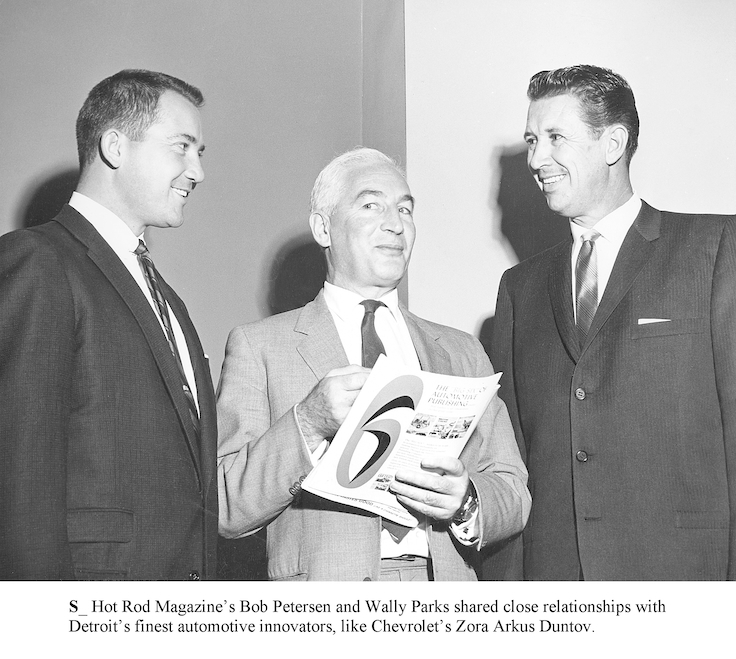
Parks was also closely aligned with Zora Arkus-Duntov, the chief engineer of the Corvette and one of the most influential performance minds Detroit has ever produced. In his famous 1953 letter to Chevrolet leadership, Duntov warned that Chevrolet would lose market share to Ford without performance and hot rod parts. He even singled out that Corvette customers were already talking about swapping Cadillac V-8s into their six-cylinder sports cars if Chevrolet didn’t act. Two years later, the small-block Chevy found its home in the Corvette—and American performance was forever changed.
Parks’ relationship with Detroit didn’t stop there. After winning his class with ’57 Plymouth during a NASCAR speed trials on the beach at Daytona Beach, he helped establish NHRA’s first automaker sponsorship with the brand. Later, with help from Moon Equipment Company founders Dean Moon, Hot Rod Magazine technical editor Ray Brock piloted the nitromethane-fueled Hemi-powered Plymouth to 183 mph at Bonneville. Brock drove because Parks, Hot Rod’s Robert E. Petersen had to be at the NHRA’s U.S. Nationals. This kind of partnership was never theoretical. It was happening in real time. And it’s happening again, right now.
Racing, Media, and Industry—Still Intertwined
Parks’ friendships extended across sanctioning bodies. He and Bill France Sr. collaborated on early Daytona events, with Parks famously riding in the Goodyear blimp to watch the first Daytona 500 from above. They even explored a NHRA-NASCAR Winter Nationals held at night during Speed Week in 1960.
Fast-forward to today, and the lines between motorsports disciplines are once again blurring. This week alone, Tony Stewart confirmed plans to compete in the NASCAR Truck Series while continuing his Elite Motorsports NHRA Top Fuel campaign in 2026—a modern reflection of the same cross-pollination Parks helped normalize decades ago.
Detroit 2026: Where Past and Future Collide
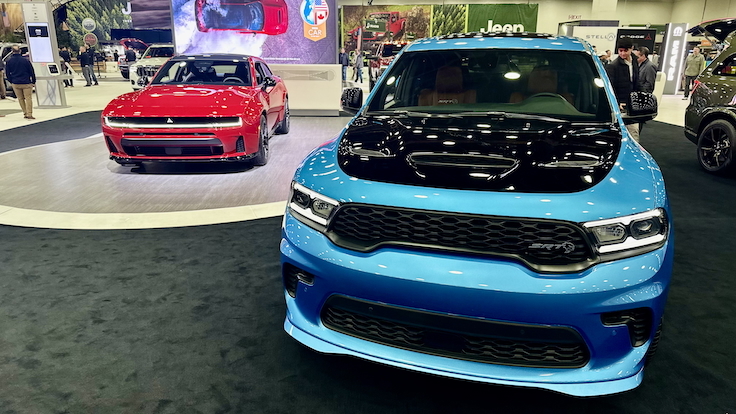
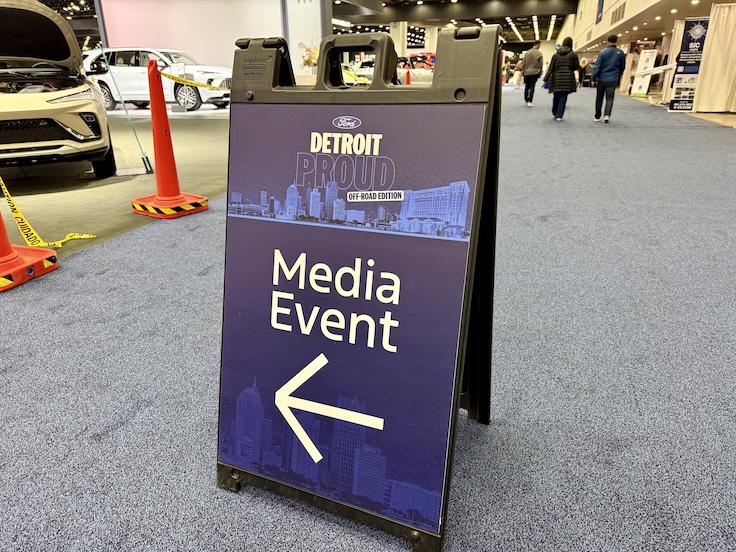
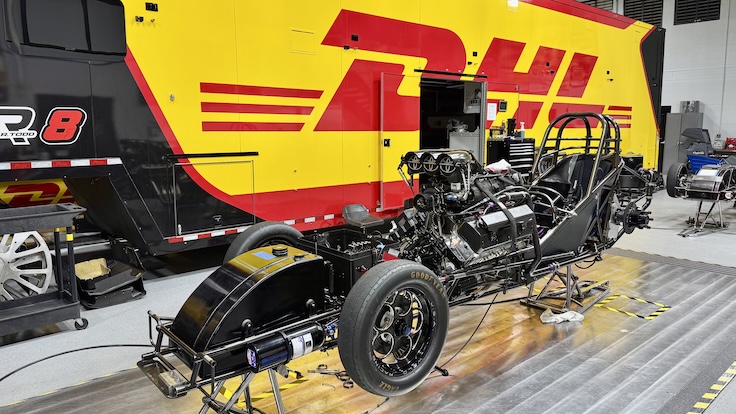
That history sets the stage for NHRA’s return to Detroit this week. While in town, NHRA will reconnect with the city that helped power drag racing from day one—visiting Kalitta Motorsports, highlighting performance vehicles at the Detroit Auto Show, and meeting with leadership from Ford Motor Company, General Motors, and Stellantis.
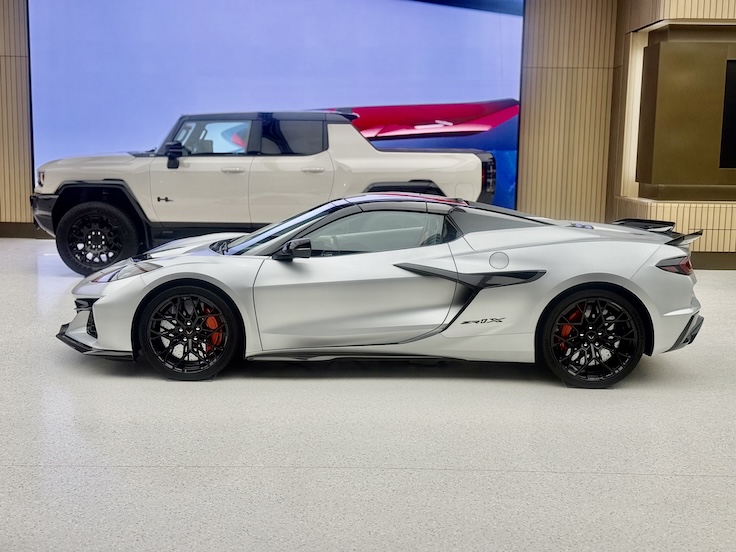
The trip includes a visit to GM’s new global headquarters on Woodward Avenue, conversations with Corvette engineers following in Duntov’s footsteps, and a closer look at the new Chevrolet Corvette ZR1X and its latest drag racing acceleration record.
NHRA will also scout activation opportunities across Michigan ahead of this summer’s events, including the NHRA national event at U.S. 131 Motorsports Park—a venue that continues the state’s deep connection to straight-line performance.
A Signal Moment at Michigan Central
The emotional peak of the week arrives at Michigan Central Station, where Ford is expected to make a racing announcement that could fundamentally reshape how the Blue Oval approaches drag racing. The symbolism is unmistakable: a resurrected landmark, a renewed performance mission, and a sanctioning body celebrating 75 years of relevance.
In the same week, General Motors is showcasing Cadillac’s Formula 1 test livery—bearing the names of the program’s founders—while Chevrolet debuts a Corvette on a dragstrip the very same day. Historians can’t help but note the symmetry. Decades after Cadillac’s horsepower influenced Corvette’s evolution, and long after Cadillac adopted Chevrolet small-block power, could the two brands be rewriting the definition of standards of performance?
With both GM and Ford now invested in Formula 1 powertrain programs, the question isn’t if new collaborations emerge—but when and where. An F1-derived engine and hybrid concept in drag racing might once have sounded like an April Fool’s joke. In 2026, it feels like a thought experiment worth taking seriously.
Speed for All—Then, Now, Next
This is why Detroit matters. And why NHRA is here. From Bonneville to Woodward, from dragstrips to design studios, the pursuit of Speed for All has always been about connecting innovation to people. NHRA has spent 75 years racing it, recording it, and preserving it—turning news into legacy.
As the 2026 season comes into focus, the message from the Motor City is clear: the partnership that built American performance isn’t slowing down.
It’s just getting called to the lanes.